

A powder supplement can have an excellent formula, attractive packaging, and strong branding, yet still disappoint customers after the first scoop. One of the most common reasons is poor solubility, which directly affects mixability, texture, taste perception, and everyday usability.
Many consumers judge a powder product within seconds of preparation. If clumps remain, sediment settles quickly, or the drink feels gritty, confidence in the product often declines. Brands that prioritize solubility during development tend to create better user experiences and stronger long-term retention.
Why Solubility Shapes First Impressions
First impressions happen fast in powdered products. Before consumers evaluate results, they evaluate how easily the supplement mixes into water, milk, or another beverage. Strong solubility helps create a smoother, cleaner preparation experience from the first use.
When a product blends quickly, it feels more polished and convenient. That ease can reinforce positive expectations about formulation quality and overall brand standards. Consumers often associate a well-mixed drink with a better-made product.
Poor first impressions can be difficult to reverse. Even effective formulas may struggle if the preparation experience feels frustrating.
Solubility and Daily Convenience
Convenience is a major factor in repeat use. Consumers want products that fit easily into routines without extra effort. Good solubility reduces shaking time, stirring effort, and cleanup, which can make consistent use more likely.
This matters especially for morning routines, gym use, travel, or workplace settings where time is limited. If a product requires aggressive shaking or leaves residue in bottles and shakers, users may skip servings or stop using it altogether.
Daily convenience often becomes a hidden driver of customer loyalty. Products that feel simple to use tend to stay in rotation longer.
How Solubility Influences Taste Perception
Flavor is not determined by taste alone. Texture, mouthfeel, and ingredient dispersion all influence how consumers experience a product. Strong solubility helps flavors present more evenly and consistently in every serving.
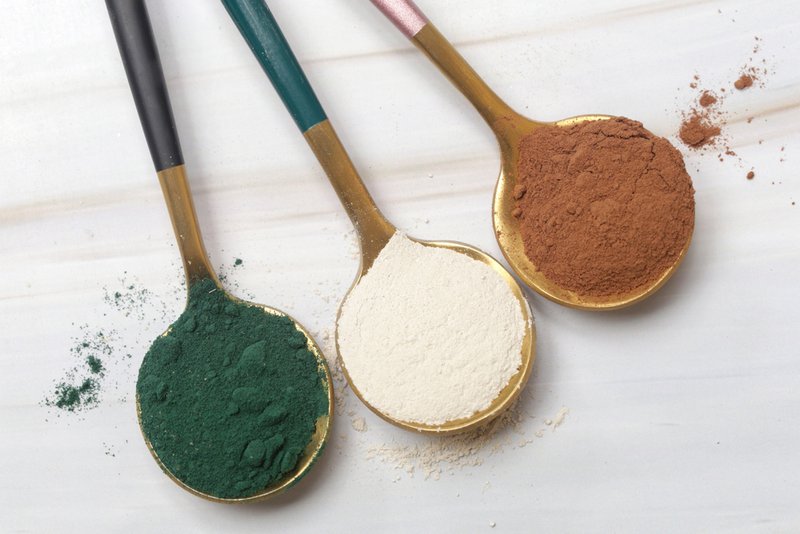
When powders dissolve properly, sweetness, acidity, and flavor notes are distributed throughout the drink. This creates a more balanced profile. Poorly dispersed powders can create concentrated pockets of flavor or bland areas that weaken the overall experience.
A formula may contain excellent flavor components, but weak solubility can prevent them from performing as intended.
Solubility and Gritty Texture Problems
Texture complaints are common in powder categories. Sandiness, chalkiness, floating particles, or bottom-of-bottle residue often trace back to solubility challenges or poor particle engineering.
Some ingredients naturally present formulation obstacles. However, that does not mean unpleasant texture is unavoidable. Ingredient selection, particle size management, blending methods, and supporting excipients can improve suspension and dissolution behavior.
Reducing gritty texture can meaningfully improve customer satisfaction. It also lowers the chance of negative reviews focused on user experience rather than product benefits.
Ingredient Selection Impacts Solubility
Not all raw materials behave the same way in liquid. Different ingredient forms can dramatically change solubility, stability, and sensory performance in finished powders.
For example, one mineral form may disperse better than another. Certain botanical extracts may require supporting formulation strategies. Sweeteners, acids, fibers, and proteins can also interact in ways that affect final mixability.
This is why formulation expertise matters early in development. Selecting ingredients based only on label appeal or cost can create avoidable mixing problems later.
Solubility and Product Consistency Across Batches
Customers expect the same experience each time they reorder. If one lot mixes smoothly and the next forms clumps, trust can decline quickly. Reliable solubility requires consistent sourcing, controlled blending, and disciplined manufacturing practices.
Moisture variation, ingredient particle changes, or inconsistent mixing times can alter performance from batch to batch. Even small differences may become noticeable in consumer use.
Manufacturers with strong quality controls help maintain a consistent preparation experience over time. That consistency supports repeat purchasing behavior.
Why Solubility Matters in Popular Powder Categories
Some categories are especially sensitive to user experience. Hydration formulas, greens powders, proteins, pre-workouts, and wellness mixes all rely heavily on solubility because they are consumed directly in liquid form.
Hydration products need quick dissolution for convenience. Greens powders often require texture management because of dense plant ingredients. Performance formulas may include actives with naturally challenging properties.
Each category presents different formulation demands. Tailoring the approach to the intended use case often leads to stronger market acceptance.
Solubility as a Competitive Advantage
Many powder supplements compete on similar claims, ingredients, and benefits. When formulas appear comparable, product experience can influence purchasing decisions. Strong solubility can become a meaningful differentiator.
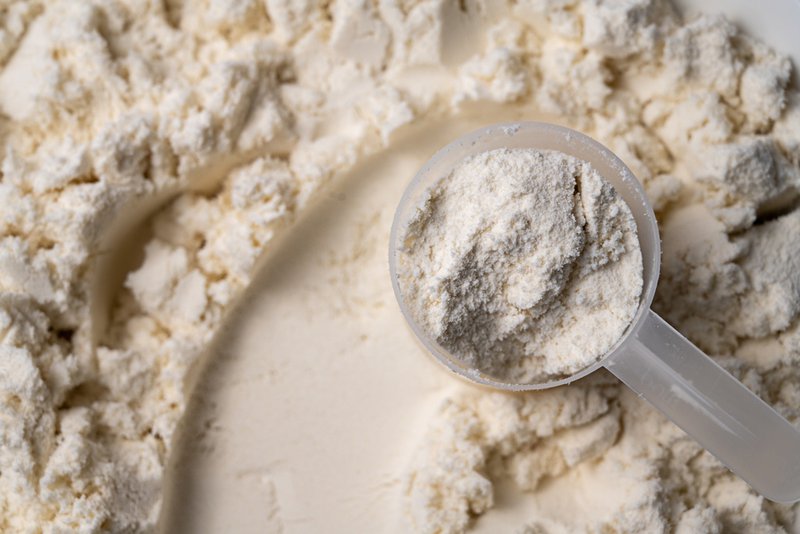
Consumers remember products that mix easily and feel pleasant to drink. They also remember products that clump, foam excessively, or leave heavy residue. These experiences shape reviews, recommendations, and repurchase behavior.
A smoother experience can help a brand stand out without relying on exaggerated claims or short-term trends.
How to Evaluate Solubility During Development
Testing should happen before launch, not after customer complaints appear. Brands developing powders should evaluate solubility under realistic usage conditions.
Important checkpoints include:
- Mixing speed in water and other liquids
- Sediment after standing
- Foam behavior after shaking
- Mouthfeel during consumption
- Residue left in containers
- Flavor consistency after mixing
Testing across multiple temperatures and serving methods can reveal issues that lab-only review may miss.
Choosing a Manufacturing Partner With Powder Expertise
Powder products require more than basic blending equipment. Brands should seek manufacturers with experience in solubility, flavor systems, ingredient interactions, and process control.
Capabilities worth reviewing include pilot development support, raw material knowledge, sensory refinement, and packaging options such as tubs, sachets, and stick packs. These factors help move products from concept to market with fewer compromises.
Experienced powder manufacturers can often solve performance issues before they become customer-facing problems.
Better Mixing Often Leads to Better Retention
Consumers may not use technical language like dissolution or particle behavior, but they notice how a product performs in the glass. Strong solubility improves convenience, taste perception, texture, and consistency, all of which can influence retention and brand reputation.
At Bactolac Pharmaceuticals, we help brands develop powder supplements through in-house research and development, advanced flavor system building, and manufacturing processes focused on real-world product performance. Our team works to create powders that meet functional goals while delivering an experience customers want to use again.
Contact us today or call 1-833-215-2935.