

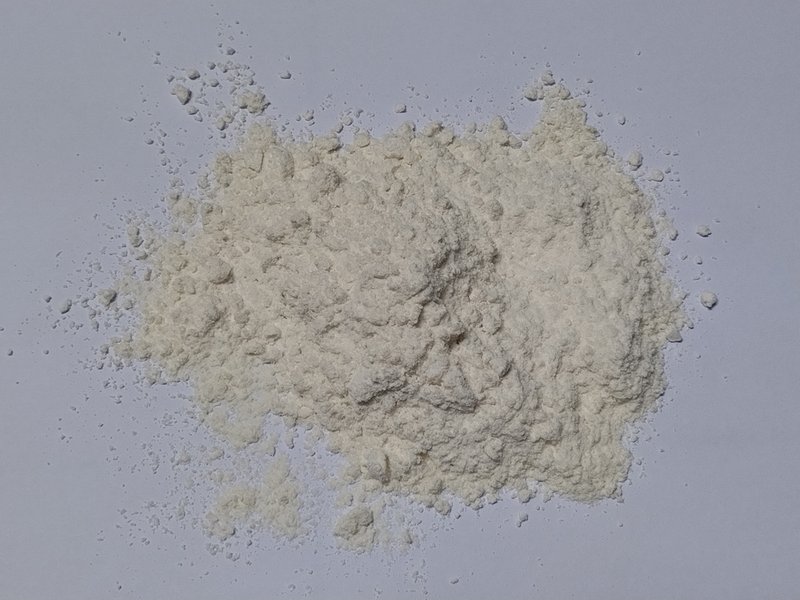
Product appearance and usability strongly influence customer perception across supplement categories. Powder clumping can quickly reduce confidence in a product, even when the formula itself remains effective.
Consumers often associate clumping with poor freshness, moisture exposure, or low manufacturing quality. In some cases, clumping affects mixability and serving consistency as well. Preventing these issues requires careful attention to formulation, ingredient handling, packaging, and storage conditions throughout production.
Why Powder Clumping Happens During Storage
Moisture exposure remains one of the most common causes of powder clumping. Many ingredients naturally absorb moisture from the surrounding air, especially in humid environments.
This process, known as hygroscopicity, causes powder particles to stick together over time. Ingredients like amino acids, electrolytes, botanical extracts, and certain sweeteners may become especially sensitive to moisture exposure during storage and transportation.
Temperature fluctuations can worsen the problem. Warm environments often increase moisture migration inside containers, which may accelerate powder clumping after production.
Ingredient Selection Influences Clumping
Different raw materials behave differently during manufacturing and storage. Some ingredients naturally flow well, while others create higher risks for moisture absorption and particle binding.
Fine powders may clump more easily because they create greater surface contact between particles. Sticky ingredients, oils, and certain flavor systems can also increase formulation challenges. Experienced formulation teams often evaluate ingredient compatibility early in development. Selecting the right ingredient forms can improve flowability while reducing powder clumping risks later.
Powder Clumping Can Affect Consumer Experience
Clumping does more than change product appearance. It may also affect scoop accuracy, mixability, mouthfeel, and overall customer satisfaction.
Consumers often expect powders to remain smooth and easy to handle throughout the product lifecycle. Large clumps may create frustration during preparation or raise concerns about freshness and quality.
Negative product experiences can affect repeat purchasing behavior. Customers may hesitate to reorder products that appear inconsistent, even when safety and efficacy remain unaffected.
Manufacturing Conditions Affect Powder Clumping
Environmental controls play a major role during powder manufacturing. Humidity, temperature, and airflow conditions all influence ingredient stability throughout blending and packaging.
Manufacturers operating in uncontrolled environments may increase moisture exposure during production. This can create clumping problems before products even reach consumers.
Experienced manufacturers typically maintain controlled production conditions for moisture-sensitive formulations. Environmental monitoring helps reduce variability while supporting longer product stability.
Packaging Systems Help Prevent Clumping
Packaging design strongly influences product protection after manufacturing. Containers must help limit moisture exposure throughout shipping, storage, and consumer use.
Induction seals, moisture barriers, desiccants, and airtight closures can all improve product stability. Packaging material selection also matters because some formats provide stronger moisture resistance than others.
Bulk tubs, stick packs, sachets, and pouches each create different storage conditions. Manufacturers should evaluate packaging systems based on ingredient sensitivity and expected consumer use patterns.
Powder Clumping and Transportation Conditions
Shipping environments can create additional stability challenges. Products may experience heat exposure, humidity shifts, and extended transit periods during transportation.
Warehousing conditions also influence product performance over time. Poor storage environments may accelerate moisture absorption before products reach retail shelves or customers.
Manufacturers with strong supply chain systems often evaluate transportation and storage conditions carefully. Better logistics planning helps protect finished products throughout distribution.
Flow Agents Help Reduce Powder Clumping
Some formulations include flow agents to improve powder movement and reduce particle binding. These ingredients help powders remain free-flowing during manufacturing, filling, and customer use.
Flow agents must be selected carefully based on formulation compatibility and label requirements. Excessive use may affect texture or consumer perception in some categories.
Proper blending techniques also matter. Uneven distribution of flow-support ingredients may reduce effectiveness during larger production runs.
Powder Clumping Creates Operational Challenges
Clumping can affect more than customer experience. Severe moisture issues may disrupt manufacturing efficiency and packaging performance as well.
Poor powder flow can create filling inconsistencies during production. This may slow packaging lines, increase waste, or affect serving accuracy across finished products.
Manufacturers with strong process controls typically monitor flowability and moisture behavior throughout development. Early testing helps identify formulation risks before full-scale production begins.
Testing Helps Prevent Powder Clumping Problems
Stability testing plays an important role in powder product development. Manufacturers should evaluate how formulations behave under different environmental conditions over time.
Testing may include humidity exposure, temperature cycling, and long-term storage analysis. These evaluations help identify ingredients or packaging systems that increase clumping risk.
Pilot batch testing also improves production planning. Formulas that perform well during small development runs may behave differently at larger manufacturing volumes.
Flavor Systems Can Influence Powder Clumping
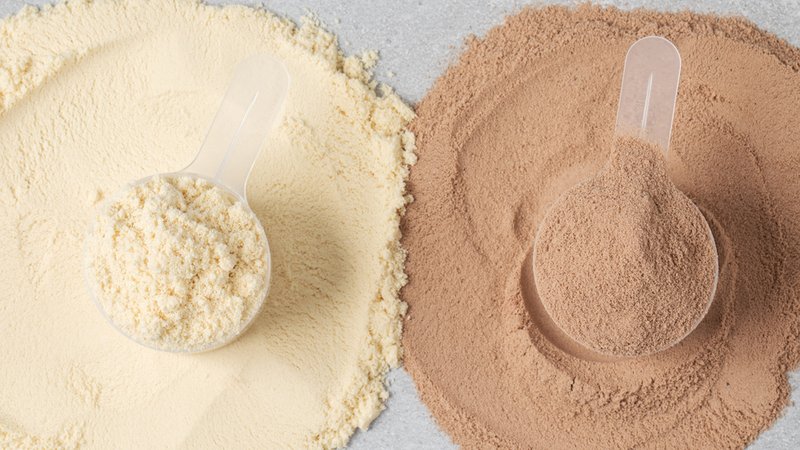
Flavor development sometimes affects powder stability. Certain liquid flavor carriers, acids, or sweeteners may increase moisture sensitivity depending on formulation structure.
Manufacturers should evaluate flavor systems alongside overall powder behavior. Taste performance and physical stability must work together to support product quality. This becomes especially important for hydration powders, greens blends, and performance products with complex ingredient systems.
Preventing Powder Clumping Requires Integrated Manufacturing
Reducing clumping risk requires coordination across sourcing, formulation, manufacturing, packaging, and storage systems. Small operational gaps can create stability problems later in the product lifecycle.
Experienced manufacturers often use integrated processes to improve consistency throughout production. Better coordination helps maintain moisture control from ingredient receipt through final packaging.
Scalable systems also support long-term product reliability. Consistent operational practices reduce variability as production volumes increase.
Stable Powder Products Support Better Customer Retention
Consumers expect powder supplements to remain easy to use throughout the container lifecycle. Products that maintain smooth texture and reliable flow often create stronger customer confidence.
Powder clumping may seem like a small issue initially, but it can significantly affect product perception and repeat purchasing behavior. Stability, appearance, and usability all contribute to long-term brand reputation.
At Bactolac Pharmaceuticals, we support brands through integrated powder manufacturing, in-house testing, advanced flavor system development, and turnkey packaging capabilities designed to improve product consistency and stability. Our team focuses on helping brands create powder formulations that perform reliably throughout production and consumer use.
Fill out a form or call 1-833-215-2935 to connect with our team.