

A supplement product can carry an excellent formula and still fail in the market. Taste is among the most immediate and unforgiving consumer judgments a product faces, and for powder supplements in particular, it is a primary driver of whether a consumer finishes a product and buys it again. Flavor development is the process of building a taste experience that makes a formula not just tolerable but genuinely appealing, and the timing of that process within product design has consequences that most brands do not fully appreciate until they experience them firsthand.
What Flavor Development Actually Involves
Flavor development in supplement manufacturing is a technical discipline that goes considerably deeper than selecting a flavor name from a supplier catalog. It involves understanding the native taste profile of every active ingredient in a formula, identifying which flavor compounds will mask, complement, or interact with those profiles, and building a system that delivers a consistent sensory experience across the full range of conditions a consumer might use the product in.
Active ingredients in supplement formulas carry inherent taste characteristics that range from mildly neutral to aggressively unpleasant. Branched-chain amino acids are famously bitter. Certain minerals produce metallic or astringent notes. Some botanical extracts are earthy or sulfurous in ways that no amount of sweetness can fully conceal without a deliberately engineered approach. A flavor system that works must be built around the specific ingredient matrix it is masking, not applied generically over the top of it.

Sweetener selection, flavor carrier compatibility, pH effects on taste perception, and the interaction between flavor compounds and excipients are all variables that a skilled flavor developer must navigate simultaneously. The result, when done well, is a product that tastes intentional and appealing. When done poorly or too quickly, it is a product that consumers describe as chemical, chalky, or artificial, and those descriptions follow a brand into its reviews.
The Cost of Treating Flavor as a Final Step
Flavor development is frequently positioned at the end of the product design process, after the formula has been finalized and the dose form has been selected. The reasoning is understandable: why invest in flavor work before the formula is locked? The problem is that this sequencing treats flavor as a cosmetic addition rather than a functional component of the product, and that assumption generates costs that show up at exactly the wrong time.
When flavor development begins after formula finalization, any flavor-driven adjustment to the formula requires revisiting decisions that have already been made, retesting ingredient interactions, and potentially revising specifications and documentation. If the formula contains an ingredient that proves particularly resistant to masking, the options at that stage are limited: accept a compromised sensory outcome, substitute an ingredient and restart portions of the development process, or delay the launch while the flavor system is rebuilt around a revised formula.
Each of those options carries a cost. Accepting a poor taste experience sacrifices the consumer retention that repurchase depends on. Reformulating late in the process consumes time and resources that were already committed to a launch timeline. Delaying a launch disrupts marketing investments, retail commitments, and the operational momentum a brand has built around a specific date.
How Early Flavor Development Changes the Process
When flavor development begins alongside formula development rather than after it, the two processes inform each other in ways that produce better outcomes for both. A formulator who knows that a specific botanical extract presents significant masking challenges can evaluate whether an alternative extract with a cleaner taste profile serves the formula's efficacy goals equally well. That evaluation is straightforward early in development and expensive after the formula is locked.
Flavor developers working with early-stage prototypes have more degrees of freedom to explore. They can test multiple flavor directions, evaluate how different sweetener systems interact with the base, and identify the combination that produces the best sensory result before any aspect of the formula is committed. The iteration that happens at this stage is fast and inexpensive relative to the iteration that happens after a formula has been finalized and production has been scheduled.
Early flavor involvement also surfaces manufacturing considerations that affect product design. Some flavor compounds interact with packaging materials in ways that affect taste over time. Others are sensitive to the temperature conditions of specific production processes. Identifying these constraints during development rather than after a production run saves both time and finished goods that would otherwise need to be reworked or discarded.
Flavor Development Across Different Dose Forms
The role and complexity of flavor development varies meaningfully across supplement dose forms, and brands developing products across multiple formats should understand those differences before making format decisions.
Powder supplements carry the greatest flavor development requirement because the active ingredients are fully exposed to the palate upon consumption. There is no coating, no capsule shell, and no compression matrix to provide any buffer between the ingredient and the taste experience. Every sensory characteristic of the formula reaches the consumer directly, which means the flavor system must do the full job of making that experience positive.
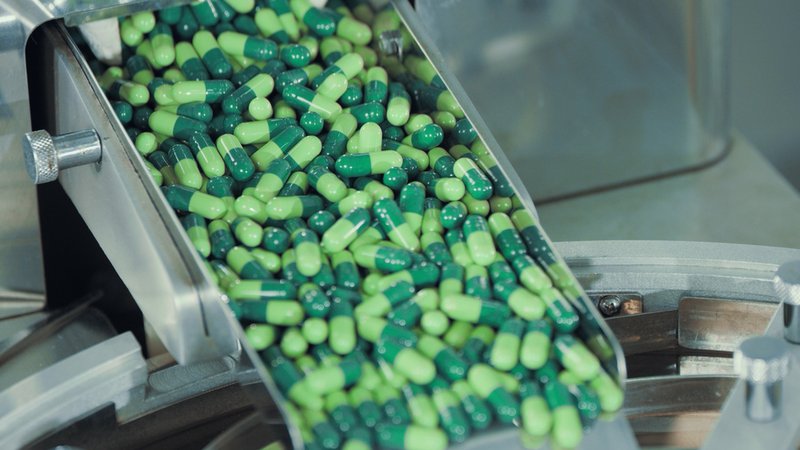
Tablets and capsules reduce but do not eliminate flavor considerations. Capsules can carry taste from the fill material through the shell, particularly when consumed with insufficient liquid. Chewable tablet formats require flavor development comparable in complexity to powders. Even swallowable tablets can produce aftertaste or repeat, especially for formulas with high loads of taste-active compounds. Treating flavor development as a powder-only concern leaves quality gaps in other formats that attentive consumers will notice.
Proprietary Flavor Systems as a Competitive Advantage
At Bactolac Pharmaceutical, flavor development is an in-house capability integrated into our powder manufacturing and R&D process from the earliest stages of product design. Our flavor team works alongside formulators to build taste systems around the specific ingredient matrix of each product, not applied generically after the formula is complete.
For brands developing across multiple formats, we bring the same development discipline to capsules and tablets, ensuring that sensory quality is considered a design requirement across every dose form we produce.
Let’s talk about building a flavor development process into your next product from the start. Call us at 1-833-215-2935 or fill out a contact form to connect with our team.