

A supplement's value depends on its ability to deliver what the label promises, not just on day one, but across the full span of its intended use period. Shelf life is the measure of how long a product can do that reliably. For powder-based supplements, shelf life is shaped by a layered set of formulation, processing, and packaging decisions that determine whether a product degrades slowly or quickly once it leaves the manufacturing facility.
Why Powder Supplements Face Unique Stability Challenges
Powder formats offer real advantages in terms of dosing flexibility, ingredient load, and mixability, but they also present stability challenges that other dose forms manage differently. Unlike capsules or tablets, where ingredients are enclosed or compressed, powders maintain high surface area exposure. That exposure makes them more reactive to the environmental conditions they encounter throughout their shelf life.
Moisture, oxygen, light, and heat are the primary agents of degradation in powder supplements. Any one of them, in sufficient quantity or duration, can compromise ingredient potency, alter flavor and color, promote microbial growth, or cause physical changes like clumping and caking that affect consumer experience. Managing shelf life means controlling the product's exposure to each of these variables across the entire chain from production to consumption.
The Role of Moisture in Powder Stability
Moisture is the most common driver of powder supplement degradation. Many active ingredients are hygroscopic, meaning they actively attract and absorb water from the surrounding environment. Once moisture is introduced into a powder blend, it accelerates a range of undesirable outcomes including oxidation, microbial proliferation, chemical reactions between ingredients, and physical changes to texture and flowability.
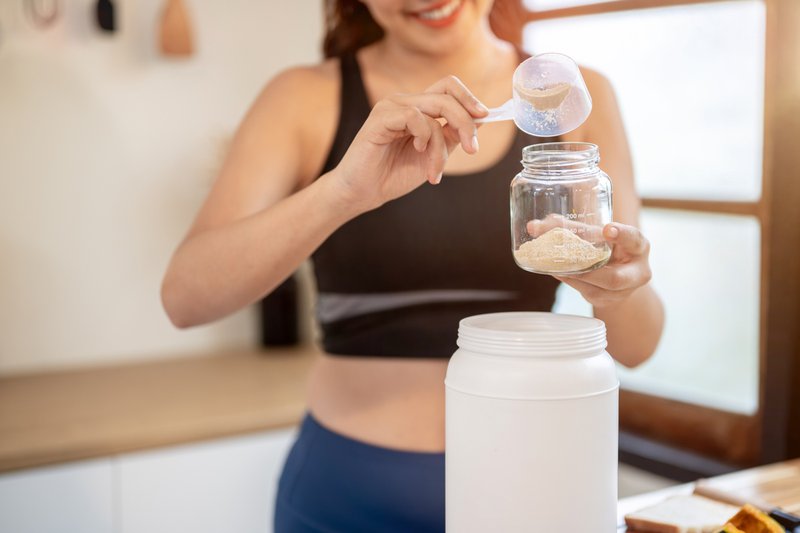
Water activity, distinct from total moisture content, is the metric that most directly predicts microbial risk and chemical instability. A product can have relatively low total moisture and still carry a water activity level high enough to support degradation. Controlling water activity through ingredient selection, processing conditions, and packaging is a foundational requirement for achieving a meaningful shelf life target.
Hygroscopic ingredients require particular attention during both formulation and manufacturing. Blending them with moisture-sensitive actives, or exposing them to humidity during processing, can initiate degradation before the product is even packaged. Controlled manufacturing environments and validated drying processes are part of how responsible manufacturers address this risk.
Oxidation and Ingredient Sensitivity
Oxygen is a significant threat to many of the ingredients found in powder supplements. Vitamins such as A, C, and E are particularly susceptible to oxidative degradation, as are many botanical extracts and lipid-based compounds. Once oxidized, these ingredients lose potency and can develop off-flavors or odors that signal deterioration to the consumer.
Antioxidants are commonly used to slow oxidative degradation, but their inclusion must be weighed against formulation goals and label considerations. Nitrogen flushing during packaging, the process of displacing oxygen in a container with inert nitrogen gas, is another effective strategy. Oxygen-barrier packaging materials provide an additional layer of protection by limiting how much oxygen can permeate the container over time.
The sensitivity of specific ingredients to oxidation should inform both formulation design and packaging selection from the earliest stages of product development. Treating packaging as a passive container rather than an active component of the stability system is a common oversight that shortens shelf life unnecessarily.
How Excipients and Blending Decisions Affect Stability
The inactive ingredients in a powder formula are not neutral bystanders when it comes to shelf life. Excipients interact with active ingredients in ways that can either support or undermine long-term stability. Some excipients buffer moisture, others contribute to it. Some protect sensitive ingredients from oxidation; others can accelerate it under certain conditions.
Blending order and processing parameters also matter. Ingredients with incompatible stability profiles should not be in prolonged contact during processing. Heat generated during blending or milling can initiate degradation in thermolabile compounds. These are formulation and process engineering considerations that require both knowledge and testing to manage correctly.
Accelerated stability testing is the tool manufacturers use to predict real-world shelf life without waiting years for answers. By exposing products to elevated temperature and humidity conditions under controlled protocols, formulators can model how a product will behave over its intended shelf life and identify weaknesses before a product launches.
Packaging as a Shelf Life Variable
The container a powder supplement goes into is as much a part of its shelf life system as the formula inside it. Packaging decisions determine how well a product is protected from moisture, oxygen, and light during storage and retail display. Choosing the wrong container can undermine an otherwise sound formulation.

High-density polyethylene containers with induction-sealed liners, foil pouches with oxygen barriers, and moisture-absorbing desiccants are all tools in the packaging toolkit. The right combination depends on the specific stability vulnerabilities of the formula being packaged. There is no universal solution, and packaging selection should be validated through stability testing rather than assumed based on convention.
Label claims for shelf life must be supported by data. Regulatory expectations require that expiration dates reflect tested stability, not optimistic projections. A manufacturer that cannot support its dating with documented stability protocols is not providing a product a brand can stand behind confidently.
Building Shelf Life Into the Development Process
Shelf life is not something that can be added to a product after formulation is complete. It is an outcome of decisions made throughout the development process, from ingredient selection and excipient pairing to processing parameters and packaging specification. Brands that engage their manufacturing partner in shelf life planning early will produce more stable products and face fewer surprises after launch.
At Bactolac Pharmaceutical, our powder manufacturing capabilities include controlled processing environments and in-house testing infrastructure designed to support product stability from development through finished goods. Our R&D team works with brands to identify stability risks early and build formulas that hold up across their intended shelf life. For brands requiring packaging that supports long-term stability, our turnkey packaging services ensure that container selection is treated as part of the product system, not an afterthought.
Learn how we approach stability in powder supplement development. Call us at 1-833-215-2935 or fill out a contact form to connect with our team.