

Pricing can vary significantly across the dietary supplement industry. Supplement manufacturing cost depends on several operational factors, including ingredient sourcing, production complexity, packaging requirements, and quality control systems.
Many brands focus heavily on quoted pricing during manufacturer selection. Lower pricing may appear attractive initially, but hidden operational limitations can create larger expenses later. Delays, inconsistent quality, poor communication, and limited scalability often increase long-term costs beyond the original quote.
Why Supplement Manufacturing Cost Vary Between Providers
No two manufacturing operations are structured the same way. Facility size, equipment capabilities, labor models, testing systems, and sourcing relationships all influence supplement manufacturing cost. Some manufacturers operate highly integrated facilities with in-house testing, formulation, packaging, and production teams. Others outsource major parts of the process to third parties.
Outsourced operations may appear less expensive upfront, but additional coordination layers can increase delays and operational inefficiencies. Manufacturing experience also affects pricing structures. Facilities with advanced systems and established supply networks often maintain stronger production consistency during market fluctuations.
Ingredient Quality Strongly Influences Supplement Manufacturing Cost
Raw materials remain one of the largest cost drivers in supplement production. Ingredient sourcing decisions affect product quality, flavor performance, manufacturing efficiency, and long-term consistency.
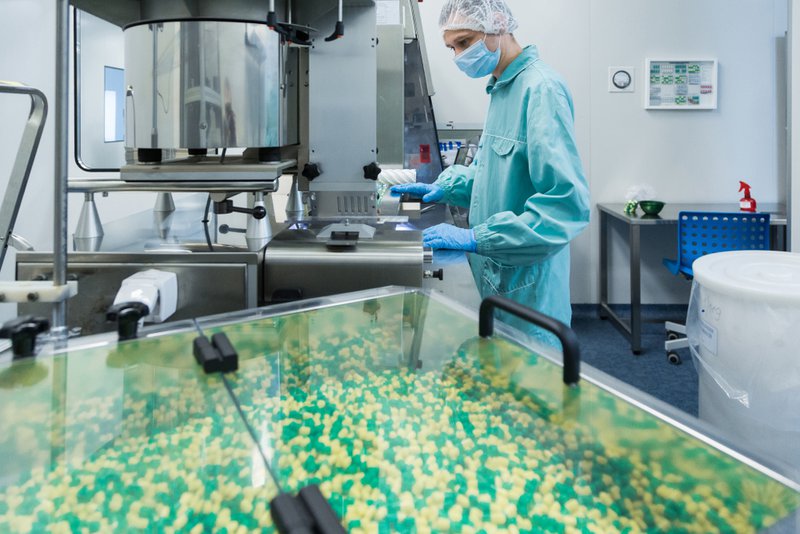
Higher-quality ingredients often require stricter supplier qualification and additional testing procedures. Botanical extracts, probiotics, amino acids, and specialty actives may also involve more complex sourcing requirements.
Price volatility can create additional pressure. Ingredient shortages, transportation delays, and changing global supply conditions may affect supplement manufacturing cost throughout the year. Manufacturers with broader supplier networks are often better positioned to manage these fluctuations.
Formula Complexity Affects Production Efficiency
Simple formulations generally require fewer operational steps during manufacturing. More complex blends may involve additional blending stages, specialty ingredients, flavor refinement, or stricter environmental controls.
Powder supplements with multiple active ingredients often require greater formulation precision. Solubility, particle behavior, moisture sensitivity, and ingredient compatibility can all affect production efficiency.
Flavor systems also influence manufacturing complexity. Products requiring advanced flavor masking or custom taste development may involve longer development timelines and additional testing cycles.
Packaging Format Changes Supplement Manufacturing Cost
Packaging decisions directly affect production setup, labor requirements, and material expenses. Different formats require different filling systems, quality controls, and operational workflows.
Bulk tubs may support faster filling speeds and simpler packaging processes. Stick packs and sachets often require more specialized equipment and seal integrity controls. Bottles, pouches, and single-serve systems each create different operational demands.
Packaging materials themselves also influence pricing. Container quality, label complexity, closure systems, and specialty finishes may increase supplement manufacturing cost depending on product positioning.
Production Volume Influences Unit Pricing
Production scale plays a major role in manufacturing economics. Larger runs often reduce cost per unit because setup expenses are spread across more finished products.
Smaller production runs may involve higher setup costs relative to final output. Equipment preparation, line cleaning, testing procedures, and packaging setup still require labor regardless of batch size.
However, larger runs are not always the best option operationally. Inventory carrying costs, product freshness concerns, and changing market demand may affect purchasing decisions. Manufacturers should help brands balance efficiency with realistic inventory planning.
In-House Testing Affects Supplement Manufacturing Cost
Quality systems require operational investment. Manufacturers with in-house laboratories often maintain faster testing turnaround and greater production control, but these capabilities also affect pricing structures.
Raw material verification, microbial testing, potency checks, and finished product validation all require equipment, trained personnel, and documented procedures. These systems support consistency and regulatory compliance throughout production.
Lower-cost manufacturing operations may rely heavily on outside testing providers or limited verification processes. This can create additional delays and reduce operational visibility during production.
Labor and Facility Capabilities Influence Manufacturing Pricing
Manufacturing facilities vary significantly in operational sophistication. Automated systems, experienced production teams, and advanced process controls may increase operational investment while improving efficiency.
Facilities handling powders, capsules, tablets, and specialty packaging formats often require broader technical expertise. Skilled labor becomes especially important during complex production runs or rapid scaling periods.
Geographic location also influences operational costs. Labor availability, energy expenses, transportation access, and regional regulations all contribute to supplement manufacturing cost differences between facilities.
Supply Chain Stability Impacts Supplement Manufacturing Cost
Supply chain disruptions continue affecting manufacturing operations across many industries. Ingredient delays, freight increases, and packaging shortages may all influence final production pricing.
Manufacturers with stronger sourcing systems often reduce operational disruptions through supplier diversification and better forecasting. These systems may involve additional planning investment, but they can improve pricing stability over time.
Reliable sourcing also supports production consistency. Unexpected ingredient substitutions or emergency freight costs can significantly affect profitability during active production cycles.
Lead Times and Scheduling Affect Operational Costs
Production scheduling directly influences manufacturing efficiency. Rush orders, compressed timelines, and last-minute formulation changes often create additional operational costs.
Manufacturers with organized scheduling systems may maintain steadier pricing because production flows more predictably. Poor scheduling practices can increase downtime, labor inefficiency, and material waste.
Longer planning windows often create better operational flexibility. Brands that coordinate production schedules earlier may reduce avoidable cost increases later.
Supplement Manufacturing Cost and Long-Term Value
The lowest manufacturing quote does not always provide the strongest long-term value. Operational reliability, communication quality, product consistency, and scalability all affect business performance over time.
Production delays may reduce sales opportunities. Inconsistent quality may weaken customer retention. Limited manufacturing flexibility may restrict future growth opportunities. These issues can create larger financial consequences than initial production pricing differences.

Manufacturers with stronger operational systems often support more stable long-term growth. Reliable execution helps brands protect customer trust while improving planning consistency.
Choosing Manufacturers Beyond Pricing Alone
Supplement manufacturing cost should always be evaluated alongside operational capabilities. Pricing structures reflect differences in sourcing, testing, production systems, packaging flexibility, and manufacturing experience.
Brands evaluating manufacturing partners should review more than final quotes alone. Questions about quality systems, communication practices, production scalability, and in-house capabilities often reveal important operational differences.
A strong manufacturing relationship supports both immediate production goals and future expansion opportunities. Operational consistency becomes increasingly valuable as product lines grow.
Operational Strength Supports Better Manufacturing Outcomes
Manufacturing costs are shaped by much more than ingredients and packaging. Production systems, supplier relationships, testing capabilities, and scheduling discipline all influence operational performance and final pricing.
At Bactolac Pharmaceuticals, we support brands through integrated manufacturing, in-house testing, advanced flavor system development, and turnkey packaging capabilities across powders, capsules, tablets, stick packs, sachets, bottles, and more. Our team focuses on helping brands balance product quality, operational efficiency, and scalable growth.
Contact us or call 1-833-215-2935 to connect with our team.