

Choosing a supplement manufacturing partner feels like an operational decision. In practice, it is one of the most consequential strategic choices a brand will make. The manufacturer a brand selects becomes embedded in its product quality, its production schedule, its regulatory standing, and its ability to deliver on the promises it makes to customers and retail partners.
When that relationship works well, it is largely invisible. When it does not, the costs accumulate in ways that reach far beyond a single bad batch or a missed ship date, and supplement manufacturing failures have a way of becoming brand failures if they go unaddressed long enough.
The Hidden Cost of Inconsistent Product Quality
Inconsistent product quality is one of the most damaging outcomes a poor manufacturing partnership produces, and it is also one of the slowest to reveal itself fully. A brand may receive several acceptable production runs before quality inconsistencies emerge. By that point, the product is in the market, consumers have formed expectations, and the gap between what the label promises and what the product delivers has begun to register in reviews, returns, and repurchase behavior.
Quality inconsistency in supplement manufacturing can manifest in multiple ways:
- Potency variation between batches
- Differences in texture or flavor that consumers notice, even when they cannot articulate why
- Fill weight deviations that affect dosing
- Physical changes like clumping and discoloration
Each of these outcomes reflects a failure somewhere in the manufacturing process, whether in raw material verification, blending controls, environmental management, or quality release protocols.
Communication Failures and Their Downstream Effects
Poor communication is among the most frequently cited complaints brands have about underperforming manufacturing partners. It is also among the most underestimated sources of operational damage. A manufacturer that does not proactively communicate delays, raw material issues, or production complications leaves a brand making decisions based on information that no longer reflects reality.
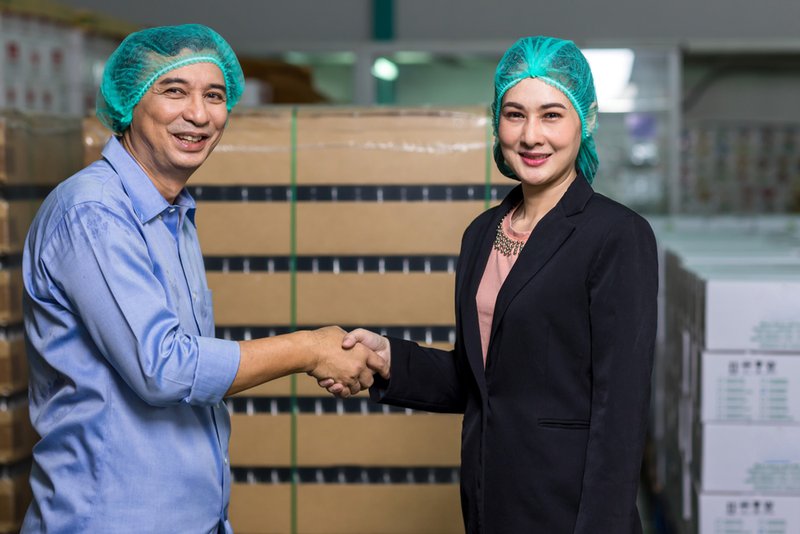
A brand that expects finished goods on a specific date and does not learn until days before that the production run has been delayed cannot adjust its marketing schedule, notify its retail partners, or manage its inventory position in time to mitigate the impact. The delay itself may be manageable. The lack of advance notice transforms a manageable situation into a crisis that damages relationships and credibility the brand has spent significant effort building.
Communication failures in supplement manufacturing partnerships also surface during quality events. When a batch fails testing or a deviation occurs during production, the speed and transparency with which a manufacturer communicates that event determines how much control a brand retains over the outcome. A manufacturer that discloses a quality issue promptly gives a brand time to respond. One that delays disclosure, or does not disclose at all until the product is already in distribution, removes that opportunity entirely.
The Operational Cost of Switching Manufacturers
When a manufacturing relationship deteriorates beyond repair, a brand faces a transition process that is significantly more disruptive than most anticipate when they begin it. Transferring a formula to a new manufacturer requires transferring specifications, raw material sourcing details, processing parameters, packaging configurations, and quality documentation. That transfer takes time, and during the transition, production continuity is at risk.
The new manufacturer must validate the formula in its own facility, using its own equipment and processes. Even a well-documented formula may behave differently under different processing conditions, which means development work that was completed once may need to be partially repeated. Finished product testing at the new facility must confirm that the product meets its specifications before commercial production begins. All of that takes time that the brand's inventory position may not support.
Regulatory continuity adds another layer of complexity to manufacturer transitions. If a brand's products carry certifications tied to the manufacturing facility, those certifications may need to be re-established at the new facility before the brand can continue making the associated claims. That process can take months and may require the brand to temporarily remove claims from its labeling or pause sales in channels that require certified products.
Overpromising as a Structural Risk
A manufacturing partner that overpromises on timelines or quality outcomes creates a specific category of risk that is difficult to identify during the sales process and expensive to discover in production. The pattern is common enough in the supplement manufacturing space to warrant explicit attention during partner evaluation. This means a company that agrees to everything, questions nothing, and presents no constraints is describing a relationship that cannot exist as offered.

Real manufacturing has limits. Equipment has capacity ceilings. Raw material procurement has lead times. Quality testing takes the time it takes. A manufacturer that presents none of these realities during the sales conversation is either concealing them or does not understand them. Either possibility carries serious implications for what the brand will experience once production begins.
Asking a prospective manufacturer about constraints, not just capabilities, is one of the most revealing evaluations a brand can conduct. How a manufacturer responds to questions about minimum order quantities, realistic turnaround times, what happens when a raw material is unavailable, and how quality deviations are handled reveals far more about operational integrity than a capabilities presentation designed to close a sale.
What a Strong Manufacturing Partnership Actually Delivers
At Bactolac Pharmaceutical, we understand that the brands we work with are putting their names on every product we manufacture. That accountability shapes how we approach quality, communication, and the long-term relationships we build with each client. Our in-house capabilities across powders, capsules, tablets, quality testing, and turnkey packaging mean brands work with one accountable partner rather than a chain of vendors each managing their own piece of the process.
Contact us to talk about what a manufacturing partnership built on transparency, quality, and long-term support looks like with us.