

Consumer expectations for the food and supplement industries have shifted considerably in recent years. Ingredient literacy is rising. Skepticism toward vague marketing language is growing. Supplement transparency plays a central role in building that confidence by giving consumers clear, accurate information about the products they purchase and the processes behind them.
Brands that build transparency into their products from the ground up are earning the kind of consumer trust that competitors cannot easily replicate. Seven approaches are making the most meaningful difference.
1) Disclose Ingredients and Dosages Clearly
The supplement facts panel is the first place a transparency-conscious consumer looks, and what they find there shapes their initial impression of a brand's credibility. Complete ingredient lists with specific dosages for each active component communicate that a brand has nothing to hide about what its products contain.
Proprietary blends, which group multiple ingredients under a single declared weight without disclosing individual amounts, are a persistent source of consumer skepticism. A blend that conceals how much of each ingredient is present makes it impossible for a consumer to evaluate whether the doses are clinically meaningful.
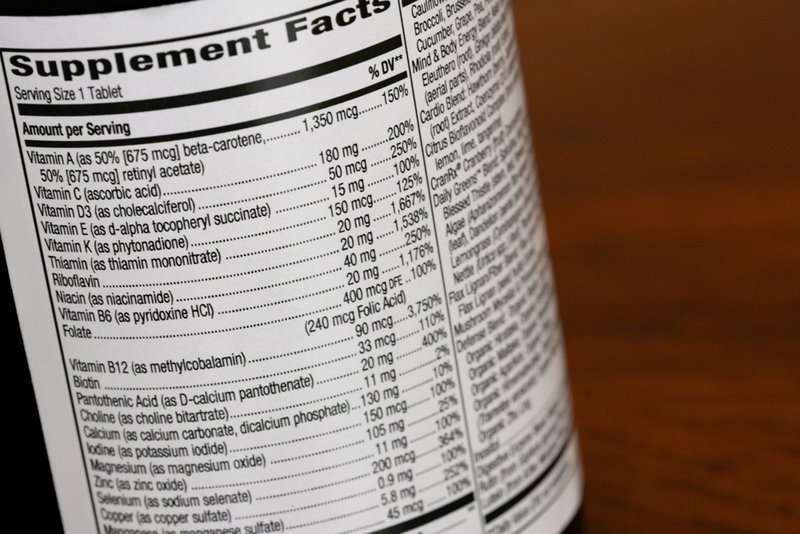
Informed consumers value specificity because they use it. They cross-reference ingredient doses against research, compare products on the basis of what they actually contain, and recognize when a formula is built around effective doses versus label-dressing quantities included primarily to support a claim.
2) Support Product Claims With Credible Science
Marketing language in the supplement category has historically outpaced the evidence supporting it. Consumers who have experienced the gap between what a product promised and what it delivered are increasingly cautious about claims that are not backed by credible research. Brands that anchor their formulations and their marketing to evidence-based science are building the long-term credibility that trend-driven claims cannot sustain.
Avoiding exaggerated claims is both a regulatory requirement and a trust-building discipline. Structure-function claims for dietary supplements must be truthful and substantiated. Brands that stay within those boundaries consistently, rather than pushing language to its limits, build a reputation for honesty that compounds in value as consumer skepticism toward the category increases.
3) Prioritize Quality Testing Throughout Manufacturing
Quality testing is the operational backbone of supplement transparency. Without it, every claim a brand makes about its product rests on an unverified foundation. With it, a brand can speak to what its product contains with documented confidence rather than assumption.
Raw material testing at incoming inspection confirms ingredient identity and purity before anything enters production. In-process testing monitors batch consistency throughout production. Finished product testing against label specifications provides the final documented confirmation that a batch is what it claims to be before it is released.
Third-party verification adds an independent quality layer that in-house testing alone cannot provide, removing the conflict of interest inherent in self-reported quality assurance. Each of these testing stages contributes not only to product quality but to the consumer confidence that transparency requires.
4) Be Transparent About Ingredient Sourcing
Sourcing transparency addresses a question that ingredient-literate consumers are increasingly asking: where do the raw materials in this product actually come from? The answer matters because raw material quality is not uniform across suppliers, growing regions, or processing methods, and those differences affect what ends up in the finished product.
Supplier qualification is the first line of sourcing integrity. A manufacturer that evaluates its suppliers against defined quality standards, conducts periodic re-qualification, and maintains documentation of that process is building a traceable supply chain rather than simply purchasing to price. That traceability is what allows a brand to make sourcing claims it can actually defend.
Ingredient traceability is both a quality tool and a transparency asset. Consistent raw material quality across production runs is what makes batch-to-batch product consistency possible. Sourcing transparency connects directly to the product consistency that consumers experience and rely on when they repurchase.
5) Communicate Manufacturing Standards
The environment in which a supplement is manufactured is as consequential to product quality as the ingredients that go into it. Current Good Manufacturing Practice regulations, codified in FDA 21 CFR Part 111, establish the minimum quality standards that supplement manufacturers are required to follow.
It is worth noting that the FDA does not approve dietary supplements before they reach the market. As the FDA clarifies on its dietary supplements page, manufacturers are responsible for ensuring their products are safe and accurately labeled before distribution.

Brands that communicate their manufacturing standards clearly are addressing a transparency dimension that label language alone cannot cover. A product made in a certified, well-documented facility carries a quality assurance foundation that a product made in an opaque manufacturing environment does not.
6) Use Labels That Inform Rather Than Confuse
A supplement label is the primary communication vehicle between a brand and its consumer at the point of purchase. Labels that prioritize clarity over cleverness serve that function well. Those designed to impress rather than inform tend to produce confusion that undermines the trust transparency is meant to build.
Clear language means using terms consumers understand without requiring a background in biochemistry. Accurate claims that reflect what the product can genuinely deliver set expectations that the product can meet, creating a consumer experience that supports repurchase rather than disappointment.
Appropriate structure-function claims, those that accurately describe the role a nutrient or ingredient plays in normal structure or function of the body, give brands a legitimate framework for communicating product benefits. Staying within that framework consistently, rather than reaching for disease claims that supplements are not permitted to make, is both a compliance practice and a credibility practice.
7) Choose Manufacturing Partners That Value Supplement Transparency
A manufacturing partner that values supplement transparency contributes to it through documented quality systems that produce consistent results, incoming material verification that confirms what enters production, and finished product testing that confirms what leaves it.
Regulatory expertise that keeps formulations and labeling within compliance boundaries reduces the risk that a brand's transparency claims are undermined by a regulatory finding. Reliable communication about production status, quality events, and timeline changes gives brands the visibility they need to make honest commitments to their retail partners and consumers.
Supplement Transparency Starts Behind the Scenes
At Bactolac Pharmaceutical, our approach to custom supplement formulation, ingredient sourcing, in-house quality testing, cGMP manufacturing, and turnkey packaging is designed to give brands the operational foundation that genuine supplement transparency requires.
We produce across powders, capsules, and tablets, and our quality systems are built to support the documented, verifiable standards that transparent supplement brands need from their manufacturing partners.
Call us at 1-833-215-2935 or fill out a contact form to connect with our team.