

Selecting a manufacturing partner is one of the most consequential decisions a supplement brand will make. A reliable supplement manufacturer directly impacts product quality, speed to market, regulatory compliance, and long-term scalability.
The challenge is that many providers present similar claims. Terms like “full-service,” “high quality,” and “fast turnaround” appear everywhere, making it difficult to separate genuine capability from marketing language. A closer look at what actually happens behind production reveals where real value is created.
What a Supplement Manufacturer Should Actually Deliver
A qualified supplement manufacturer operates as an integrated partner across the full product lifecycle. This includes formulation, sourcing, production, testing, and packaging, all coordinated within a controlled system.
True capability shows up in how these functions connect. When formulation teams collaborate with production and quality control, products move from concept to finished goods with fewer delays and fewer compromises. Manufacturers that rely on fragmented or outsourced steps often struggle with consistency and communication.
In practice, this means a brand should expect visibility, technical input, and operational alignment throughout the process, not just a transactional production run.
Supplement Manufacturer Claims vs Verified Capabilities
Many companies promote themselves as full-service providers, but the underlying structure may not support that claim. In 2025, the FDA issued 4,862 Form 483 observations, including 1,938 tied to supplement GMP (Part 111). A dependable supplement manufacturer can demonstrate how work is performed, not just describe outcomes.
Key indicators of real capability include:
- In-house research and development teams with formulation expertise
- On-site manufacturing rather than third-party outsourcing
- Internal laboratories for analytical and microbial testing
- Direct control over packaging and finishing processes
When these elements exist under one roof, production timelines become more predictable and quality issues are easier to identify and correct. Without them, delays and inconsistencies are more likely to occur.
The Importance of In-House Manufacturing for a Supplement Manufacturer
Control is one of the clearest distinctions between providers. A supplement manufacturer with in-house production capabilities can manage variables that directly affect product integrity.
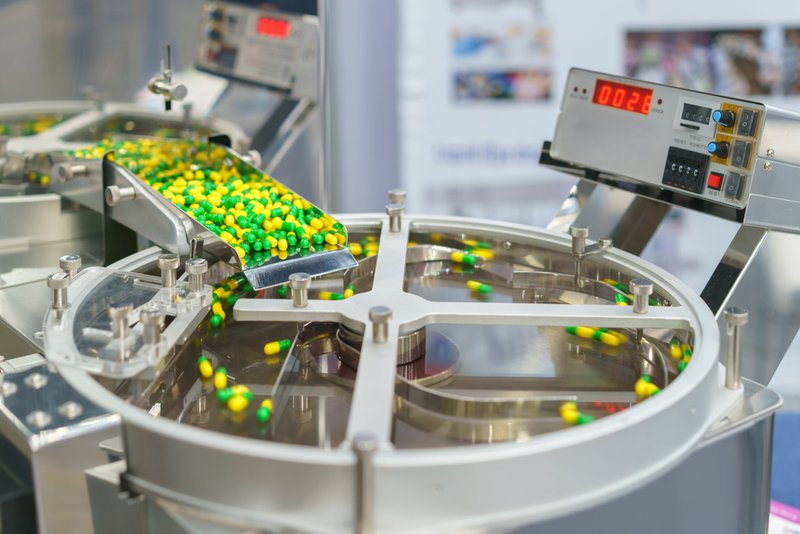
This includes:
- Equipment calibration and process validation
- Batch consistency across production runs
- Immediate troubleshooting when issues arise
- Alignment between formulation and manufacturing realities
When production is outsourced or split across multiple vendors, coordination becomes more complex. Small errors can compound, especially when communication gaps exist between facilities. For brands planning to scale, in-house manufacturing often provides a more stable foundation for growth.
Supplement Manufacturer Quality Control and Testing Standards
Quality claims carry little weight without supporting systems. In fact, around 32% of supplements fail GMP standards for purity or potency. A credible supplement manufacturer maintains structured testing protocols that verify identity, potency, purity, and safety.
Core testing capabilities typically include:
- Raw material verification before production
- In-process testing during manufacturing
- Finished product validation before release
- Microbial testing to ensure safety standards
Manufacturers with internal laboratories can perform these checks in real time. This reduces dependency on external labs and shortens turnaround times while maintaining control over data accuracy. Consistency in testing is essential, especially as product lines expand or formulations become more complex.
Why Communication Defines a Reliable Supplement Manufacturer
Operational strength alone is not enough. A supplement manufacturer must also provide clear, consistent communication throughout the lifecycle of a product.
Common industry challenges often stem from:
- Delayed updates on production timelines
- Limited visibility into sourcing or formulation changes
- Misalignment between expectations and deliverables
Strong communication systems help prevent these issues. This includes defined points of contact, transparent timelines, and proactive updates when conditions change.
For growing brands, this level of coordination supports better planning, inventory management, and market responsiveness.
Supplement Manufacturer Expertise in Formulation and Flavor Development
Product differentiation plays a significant role in crowded supplement categories. A supplement manufacturer with advanced formulation and flavor capabilities can help brands stand out while maintaining scientific integrity.
Key areas of expertise include:
- Dose optimization for efficacy and compliance
- Ingredient compatibility and stability
- Taste masking for challenging raw materials
- Custom flavor systems tailored to target audiences
Flavor development is particularly important for powders and drink mixes, where consumer experience directly influences repeat purchases. Manufacturers with dedicated flavor systems can refine products beyond basic formulations. This combination of science and sensory development supports both performance and market appeal.
Supply Chain Stability and the Role of an Experienced Supplement Manufacturer
Supply chain disruptions remain a persistent concern across the industry. An experienced supplement manufacturer anticipates these challenges and builds systems to mitigate them.
Effective strategies include:
- Maintaining relationships with multiple qualified ingredient suppliers
- Holding inventory of key raw materials
- Adjusting formulations when necessary without compromising quality
- Planning production schedules with flexibility in mind
Experience becomes especially valuable during periods of volatility. Manufacturers that have navigated previous disruptions are better equipped to maintain continuity and protect production timelines.
Identifying True Manufacturers vs Intermediaries
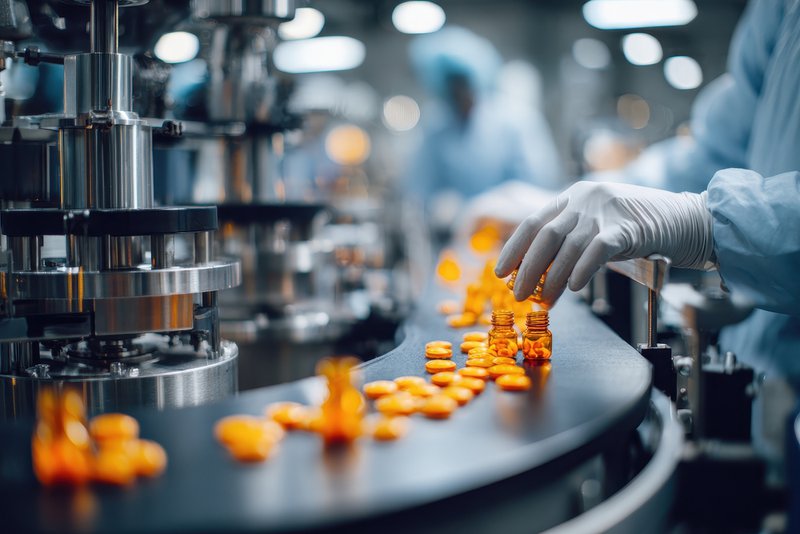
Not all companies presenting themselves as manufacturers operate production facilities. Some act as intermediaries, coordinating between brands and third-party manufacturers.
Working with a direct supplement manufacturer offers several advantages:
- Greater transparency into production processes
- More control over quality and timelines
- Direct access to technical expertise
- Fewer layers of communication
Intermediary models can introduce additional delays and reduce visibility into how products are actually made. For brands seeking long-term growth, direct partnerships often provide stronger alignment and accountability.
Supplement Manufacturer Scalability and Future Growth
As brands evolve, their manufacturing needs change. A capable supplement manufacturer supports both initial launches and long-term expansion.
This includes:
- Flexible batch sizes for early-stage products
- Capacity to scale production as demand increases
- Ability to introduce new formats or packaging solutions
- Infrastructure that supports future market expansion
Scalability is not only about volume. It also involves adapting to new product categories, regulatory requirements, and distribution strategies. Manufacturers that invest in expanding capabilities are better positioned to support brands over time.
Choosing a Supplement Manufacturer Based on Capability
Selecting a supplement manufacturer requires careful evaluation beyond marketing language. Real capability is reflected in operational control, technical expertise, quality systems, and communication practices.
At Bactolac Pharmaceuticals, we focus on delivering these capabilities through integrated manufacturing, in-house research and development, advanced testing, and customized formulation and flavor solutions. Our approach supports brands at every stage, from initial concept to scaled production, while maintaining consistency and transparency.
Contact us today or call 1-833-215-2935 to connect with our team and explore how we can support your goals.