

Packaging decisions shape how consumers experience a supplement product and how efficiently brands operate behind the scenes. While formulation often receives the most attention, choosing between bottles and stick packs can significantly influence convenience, positioning, logistics, and repeat purchases.
There is no universal best option for every product. The right format depends on serving size, customer behavior, channel strategy, and long-term growth plans. Evaluating these factors early helps brands align packaging choices with broader business goals.
Why Stick Packs Continue to Gain Attention
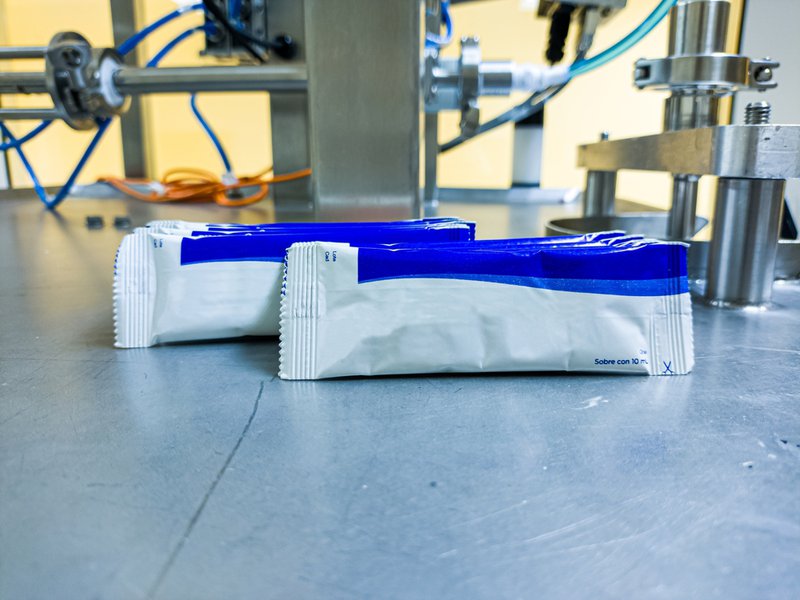
Portable, single-serve packaging has become increasingly attractive across wellness and performance categories. Stick packs appeal to consumers looking for convenience, portion control, and products that fit into busy routines.
This format works especially well for powders designed to mix with water or be consumed on the go. It eliminates the need to measure servings and reduces the chance of overuse or underuse. For brands focused on ease of use, stick packs can strengthen product appeal.
They also support trial behavior. Single servings make it easier for first-time buyers to test a product before committing to a larger purchase.
Bottles Remain Strong for Established Product Lines
Bottles continue to be a dependable packaging format across capsules, tablets, gummies, and powdered supplements. They are familiar to consumers, efficient for monthly supply programs, and widely accepted across retail and e-commerce channels.
For products designed around daily use, bottles often create a sense of value because they contain multiple servings in one package. This can support stronger perceived savings when compared with single-serve units.
They also offer broad labeling space. Brands that need room for claims, directions, ingredient panels, and visual branding often find bottles easier to manage from a design standpoint. Regulatory labeling requirements under the U.S. Food and Drug Administration also make multi-panel packaging valuable for compliance and consumer transparency.
Stick Packs and Consumer Convenience
Convenience can be a deciding factor in purchasing behavior. Stick packs are compact, lightweight, and simple to carry in bags, gym gear, office drawers, or travel kits.
This mobility can increase usage consistency because consumers can take products wherever they go. A supplement that is easy to access often becomes part of a daily routine more quickly than one that stays at home.
Convenience also matters for categories like hydration, energy, digestive support, and performance nutrition. These use cases often happen outside the home, where portable formats perform well.
Cost Considerations Between Stick Packs and Bottles
Packaging cost should always be evaluated in context. Stick packs may involve specialized filling equipment, film materials, and unit-level packaging processes. Bottles may require containers, caps, induction seals, scoops, and outer cartons, depending on the product.
The most cost-effective option depends on serving count, run size, freight costs, and distribution model. A product sold through subscription channels may favor bottles, while a premium convenience product may justify stick pack economics.
Brands should also consider indirect costs. Warehousing efficiency, shipping weight, breakage risk, and returns can influence total packaging expense over time.
Stick Packs for Sampling and Customer Acquisition
Acquiring new customers often requires low-friction entry points. Stick packs can be highly effective for sampling programs, promotional bundles, event distribution, and influencer campaigns.
A single serving lowers commitment for first-time users. It allows consumers to experience taste, mixability, and convenience before purchasing a larger format. This can improve conversion rates when paired with strong follow-up offers.
For digital brands, stick packs can also be inserted into outbound shipments as cross-sell samples. That creates opportunities to introduce additional products at a relatively low cost.
Bottles for Subscription and Repeat Purchasing
Products built around daily habits often benefit from bottles. A thirty-day or sixty-day supply can simplify reorder behavior and support automated subscription programs.
Consumers who already trust a product may prefer receiving one container rather than managing multiple individual servings. This can reduce packaging waste perception and create a cleaner at-home storage experience.
For brands focused on lifetime value, bottles may support predictable reorder cycles. They also align well with common shelf presentation standards across retail channels.
Operational Factors That Influence Format Choice
Manufacturing capability matters as much as market strategy. Stick packs require precise filling systems, seal integrity control, and consistency across thousands of individual units. Bottles require accurate counting or powder filling, capping, labeling, and tamper-evident finishing.
According to the FDA Current Good Manufacturing Practice (CGMP) guidance, packaging and labeling controls are a critical part of preventing mix-ups and ensuring product integrity across all dosage forms.

Working with an experienced manufacturing partner helps reduce production risk in either format. Equipment quality, quality control systems, and packaging line efficiency all influence timelines and finished product consistency.
Brands should also consider future expansion. A manufacturer with multiple packaging capabilities can support format changes as strategy evolves.
Stick Packs and Product Differentiation
Crowded categories often reward products that feel modern and easy to use. Stick packs can help brands stand out visually and functionally, especially in categories where bottles dominate.
They create opportunities for premium branding, travel-ready messaging, and routine-based positioning. A hydration formula in stick packs may feel more relevant than the same formula in a large tub, depending on the target use case.
Differentiation also comes from user experience. If packaging makes the product easier to use, that advantage can become part of the brand story.
How to Choose Between Stick Packs and Bottles
The strongest packaging decisions begin with strategic questions rather than assumptions. Brands should evaluate:
- Where the product will be used
- Whether portability matters
- How often consumers reorder
- Expected average order value
- Sampling needs
- Shipping and storage costs
- Shelf presence goals
- Manufacturing scalability
A pre-workout for gym bags may favor stick packs. A monthly wellness routine product may perform better in bottles. Context determines value.
Planning for Growth With Flexible Packaging Options
Many brands do not need to choose one format forever. A core product may launch in bottles and later expand into stick packs for sampling, travel, or convenience channels.
Others may use stick packs for customer acquisition while maintaining bottles as the primary recurring purchase option. This blended strategy can strengthen both reach and retention.
The key is partnering with a manufacturer that can support multiple packaging paths without disrupting product quality or supply continuity.
Packaging Should Support Product Strategy
Choosing between bottles and stick packs should reflect how consumers use the product, how the brand sells it, and how operations scale over time. Both formats offer clear advantages when matched to the right strategy.
At Bactolac Pharmaceuticals, we help brands evaluate packaging decisions through integrated manufacturing, powder expertise, and turnkey filling solutions for bottles and stick packs. Our team works to align packaging format with product goals, consumer experience, and long-term growth plans.
Contact us today or call 1-833-215-2935 to connect with our team and explore the right packaging path for your next launch or existing line.