

Today's dietary supplements are expected to do more than deliver a single health benefit. As ingredient stability becomes increasingly important, brands are developing products that combine multiple functional ingredients into convenient, all-in-one formulations. Whether the goal is supporting gut health, healthy aging, sports performance, or daily wellness, these complex products require careful formulation to ensure they remain safe, effective, and consistent throughout their shelf life.
Why Multi-Ingredient Formulations Present Unique Challenges
Modern supplement formulations often combine vitamins, minerals, amino acids, botanical extracts, probiotics, enzymes, proteins, and other specialty ingredients into a single product. While these combinations can provide greater value for consumers, they also increase the likelihood that ingredients will interact with one another during manufacturing or throughout the product's shelf life.
Some ingredients are highly sensitive to moisture, while others may be affected by oxygen, light, heat, or changes in pH. Certain botanical extracts can influence flavor, color, or aroma, while minerals may interact with vitamins in ways that reduce potency over time. As the number of ingredients increases, so does the complexity of developing a stable formulation.
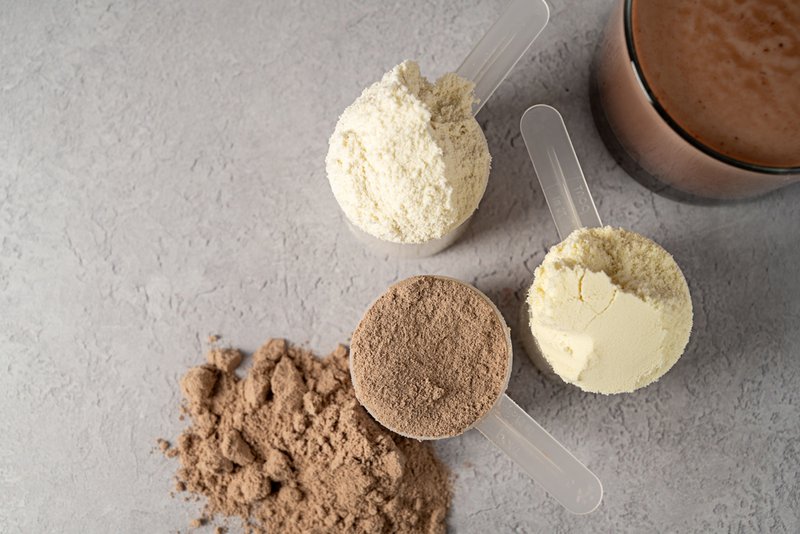
Recent research has highlighted the growing challenges associated with combining multiple bioactive ingredients into functional nutrition products. Research notes that formulation success depends not only on selecting effective ingredients but also on ensuring compatibility, maintaining stability, and preserving bioavailability throughout the product's intended shelf life.
Ingredient Stability Begins During Formulation
Many stability challenges can be prevented during the earliest stages of product development. Careful ingredient selection allows formulation teams to evaluate how different components interact before manufacturing begins.
Compatibility testing helps determine whether ingredients can coexist without negatively affecting potency, appearance, flavor, or performance. Formulators also consider factors such as particle size, moisture sensitivity, solubility, and ingredient concentrations to improve both manufacturing performance and long-term product stability.
This early evaluation becomes increasingly valuable as formulations grow more sophisticated. Products designed to support multiple wellness goals often require balancing functional performance with practical manufacturing considerations. Addressing potential compatibility concerns early reduces the likelihood of reformulation after production has already begun.
Research-driven formulation also supports innovation. Rather than avoiding complex ingredient combinations altogether, experienced development teams can identify formulation strategies that preserve product quality while allowing brands to introduce differentiated products that meet evolving consumer expectations.
Stability Testing Helps Protect Product Quality
Formulating a stable product is only part of the process. Comprehensive stability testing helps confirm that a supplement continues to perform as intended throughout its expected shelf life. Stability testing evaluates how a product responds to factors such as temperature, humidity, light exposure, and storage conditions over time.
These evaluations help verify that active ingredients remain within specification and that changes in color, flavor, texture, or appearance do not negatively affect product quality. Batch-to-batch consistency is another important consideration. Even small variations in ingredient characteristics or manufacturing conditions can influence stability.
Routine testing helps manufacturers identify potential issues early while supporting consistent product performance across multiple production runs. Beyond supporting regulatory expectations, stability testing provides confidence that consumers receive the same quality product from the first serving to the last.
Packaging Plays an Important Role in Ingredient Stability
Even the most carefully formulated supplement can experience stability challenges if it is packaged improperly. Packaging serves as an important protective barrier against environmental conditions that may affect product quality. Moisture, oxygen, and light are among the most common factors that contribute to ingredient degradation.
Selecting packaging that limits exposure to these elements helps preserve potency while extending shelf life. Packaging decisions should also consider how consumers use the product. Powders, for example, may require packaging formats that minimize repeated exposure to humidity after opening.

Choosing the appropriate container, closure system, and barrier materials helps maintain product integrity throughout normal use. Evaluating packaging as part of the formulation process allows manufacturers to develop solutions that protect both the product and the consumer experience.
In-House R&D Helps Prevent Stability Issues
One of the greatest advantages of in-house research and development is the ability to identify stability concerns before commercial manufacturing begins. Prototype development, pilot batches, compatibility testing, and manufacturing evaluations all provide valuable insight into how a formulation is likely to perform during large-scale production.
This allows development teams to refine formulations, evaluate processing conditions, and optimize packaging before products enter the marketplace. In-house R&D also supports continuous improvement. As new ingredients, processing technologies, or packaging materials become available, research teams can evaluate opportunities to improve existing formulations while maintaining product quality and consistency.
By combining scientific research with manufacturing expertise, experienced R&D teams help reduce development risk while creating products that perform reliably throughout their intended shelf life.
Ingredient Stability Supports Long-Term Product Success
As supplement formulations become increasingly sophisticated, ingredient stability has become a critical part of successful product development. Maintaining stability requires more than selecting high-quality ingredients. It depends on thoughtful formulation, compatibility testing, stability evaluations, appropriate packaging, and manufacturing processes designed to preserve product quality from production through the end of shelf life.
At Bactolac Pharmaceuticals, we take a comprehensive approach to ingredient stability through in-house research and development, custom formulation, rigorous quality testing, and scalable powder manufacturing. Our team evaluates ingredient compatibility, manufacturing performance, and packaging considerations throughout the development process to help customers bring stable, high-quality products to market.
Combined with our flexible packaging capabilities and commitment to quality, these services help brands develop multi-ingredient supplements that deliver consistent performance and an exceptional consumer experience. Call us at 1-833-215-2935 or fill out a contact form to connect with our team.