

Growth is an exciting milestone for any supplement brand, but it can also expose operational challenges that were easy to overlook during the early stages of production. Manufacturing capacity becomes especially important as demand increases, new products are introduced, and distribution expands into new markets. Brands that evaluate manufacturing capabilities before scaling are often better prepared to meet customer demand without sacrificing product quality or operational efficiency.
The opportunity for growth remains strong. Many Americans use dietary supplements, reflecting sustained demand across categories such as sports nutrition, healthy aging, digestive health, and general wellness. As more consumers incorporate supplements into their daily routines, brands need manufacturing partners that can support growth while maintaining consistency and reliability.
Many companies assume manufacturing capacity simply refers to how many units a facility can produce. In reality, it encompasses far more. Equipment, workforce expertise, production scheduling, quality systems, ingredient sourcing, packaging capabilities, and communication all contribute to a manufacturer's ability to support long-term growth. Evaluating these factors early can help brands avoid costly production bottlenecks later.
Manufacturing Capacity Extends Beyond Production Volume
Production volume is only one part of the equation. A manufacturer may have the equipment to produce larger batches, but that does not necessarily mean it can consistently support increasing demand across multiple products or production schedules.
True manufacturing capacity includes the ability to manage production efficiently while maintaining consistent quality. This requires sufficient equipment, experienced personnel, standardized operating procedures, and facilities designed to support both current production needs and future expansion.
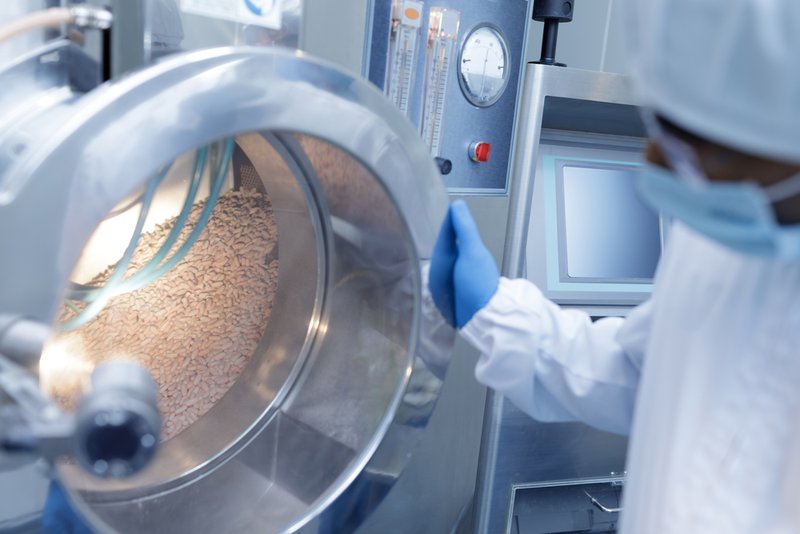
It is also important to consider scheduling flexibility. As product portfolios grow, manufacturers must balance multiple production runs while minimizing downtime and maintaining reliable delivery timelines. A well-organized production environment helps reduce delays and supports more predictable inventory planning.
Looking beyond production numbers provides a more complete picture of whether a manufacturing partner is equipped to grow alongside your business.
Supply Chain Strength Supports Sustainable Growth
Even the most efficient production facility depends on a reliable supply chain. Ingredient shortages, transportation disruptions, or inconsistent supplier performance can quickly affect manufacturing schedules and product availability.
Manufacturers with established supplier relationships and diversified sourcing strategies are often better positioned to manage these challenges. Proactive inventory planning and ongoing supplier evaluation help reduce the likelihood of unexpected disruptions while supporting consistent product quality.
Supply chain resilience also creates greater flexibility when consumer demand changes. Whether production volumes increase or formulations require new ingredients, dependable sourcing practices help brands respond more confidently without compromising quality or delaying product launches.
Quality Systems Must Scale With Production
Maintaining product quality becomes increasingly important as production volumes grow. Larger manufacturing runs require quality systems that remain effective regardless of batch size.
Comprehensive quality programs typically include raw material verification, identity testing, in-process inspections, finished product testing, and detailed documentation throughout manufacturing. These practices help ensure every production run meets established specifications while supporting regulatory compliance.
Scaling production without strengthening quality systems can increase the risk of inconsistencies, customer complaints, and costly production setbacks. Brands that prioritize quality throughout every stage of growth are better positioned to protect both their reputation and customer confidence.
Consistent documentation also becomes increasingly valuable as businesses expand. Well-established quality processes make it easier to investigate potential issues, demonstrate compliance, and maintain reliable production standards over time.
Operational Flexibility Creates Competitive Advantages
Growth rarely follows a straight line. As supplement brands expand, they often introduce new flavors, additional product lines, updated formulations, and different packaging formats to meet changing customer needs.
Manufacturers with flexible operations are better prepared to support these changes without disrupting existing production schedules. The ability to accommodate multiple package formats, varying production volumes, and evolving product portfolios gives brands greater freedom to respond to market opportunities.
Operational flexibility also supports long-term innovation. Whether introducing a seasonal product, expanding into a new wellness category, or preparing for larger production runs, adaptable manufacturing systems make growth more manageable while reducing unnecessary complexity.
Communication Is Part of Manufacturing Capacity
Successful manufacturing partnerships depend on more than production capabilities. Clear communication plays a critical role in keeping projects on schedule and ensuring expectations remain aligned as production demands increase.
Regular updates, accurate forecasting, collaborative production planning, and proactive problem-solving all contribute to smoother operations. When manufacturers communicate openly about timelines, ingredient availability, and potential challenges, brands are better equipped to make informed business decisions.

Strong communication also supports faster issue resolution. Addressing concerns early helps prevent small production challenges from becoming larger operational disruptions, particularly during periods of rapid growth. In many cases, effective communication is what separates a long-term manufacturing partnership from a purely transactional supplier relationship.
Planning Ahead Reduces Growing Pains
Scaling successfully requires looking beyond immediate production needs. Evaluating manufacturing capacity before demand outpaces existing capabilities gives brands time to identify potential limitations and develop strategies for continued growth.
Questions about facility capacity, quality systems, supply chain resilience, operational flexibility, and communication should all be part of the evaluation process. Taking a proactive approach helps reduce production interruptions while creating a stronger foundation for future expansion.
Planning ahead also makes it easier to introduce new products, enter additional markets, and respond to changing consumer preferences with confidence. Rather than reacting to growth challenges after they occur, brands can build manufacturing strategies that support long-term success from the beginning.
Manufacturing Capacity Should Grow With Your Brand
Manufacturing capacity is about much more than producing larger orders. It reflects a manufacturer's ability to maintain quality, manage supply chains, communicate effectively, adapt to changing business needs, and consistently deliver products as demand grows. Evaluating these capabilities early helps brands build a manufacturing strategy that supports both current objectives and future expansion.
At Bactolac Pharmaceutical, we help customers prepare for growth through scalable manufacturing operations, custom supplement formulation, in-house research and development, strategic ingredient sourcing, comprehensive quality testing, and flexible packaging solutions for bottles, tubs, stick packs, sachets, and gusset bags.
Combined with our powder manufacturing expertise and commitment to consistent communication, these capabilities help brands expand with confidence while maintaining the quality their customers expect. Call us at 1-833-215-2935 or fill out a contact form to connect with our team.