

Product reliability is one of the strongest drivers of long-term success in the dietary supplement industry. When formulas perform consistently and meet label claims, customers are more likely to reorder and recommend the brand. That is why in-house testing has become an important advantage for manufacturers focused on quality and accountability.
Testing performed within the manufacturing environment creates faster feedback loops, stronger process control, and clearer documentation. Instead of waiting on outside labs for every checkpoint, manufacturers can verify quality throughout production and respond quickly when issues arise.
Why In-House Testing Matters in Supplement Manufacturing
Every supplement product moves through multiple stages before reaching the market. Raw materials must be verified, blends need to be checked for consistency, and finished goods should meet established specifications. In-house testing helps monitor each of these stages in real time.
When testing is built into daily operations, quality becomes part of the manufacturing process rather than a final step. This reduces the chance that problems go unnoticed until production is complete. It also supports smoother timelines because decisions can be made faster.
For brands, that means fewer surprises and more confidence in production outcomes. Reliable oversight helps protect both reputation and revenue.
In-House Testing Improves Raw Material Verification
Product quality begins with ingredient quality. Even when suppliers provide documentation, manufacturers still need to confirm identity, purity, and consistency before materials enter production. In-house testing allows this verification to happen immediately upon receipt.
This process can identify issues such as contamination, incorrect materials, moisture variation, or potency discrepancies. Catching these concerns early prevents wasted production time and protects downstream quality.
Raw material verification is especially important when dealing with botanical extracts, active powders, and ingredients sourced through multiple channels. Consistency at the start supports consistency in every batch that follows.

Faster Problem Resolution Through In-House Testing
Delays can become expensive when products are waiting on external lab results. In-house testing shortens that timeline by giving manufacturers direct access to quality data during active production. FDA guidance on current good manufacturing practices emphasizes the importance of timely quality decisions during production to prevent nonconforming products from reaching distribution.
If a blend falls outside specification or a process variable needs adjustment, the production team can respond quickly. This reduces downtime, minimizes rework, and helps keep schedules on track.
Speed matters because production calendars often involve multiple products, packaging runs, and launch deadlines. Faster issue resolution helps brands maintain momentum while protecting quality standards.
In-House Testing Supports Batch-to-Batch Consistency
Consumers expect the same experience every time they purchase a product. Taste, appearance, texture, and performance should remain stable from one lot to the next. In-house testing plays a central role in achieving that consistency.
Routine checks during production help verify ingredient distribution, moisture levels, fill weights, and other critical variables. These checkpoints allow manufacturers to correct minor drift before it becomes a larger quality issue.
Batch consistency strengthens trust over time. When customers know what to expect, they are more likely to stay loyal to the brand.
How In-House Testing Builds Brand Trust
Trust is earned through repeated positive experiences. Products that meet expectations consistently help brands establish credibility in crowded markets. In-house testing supports that trust by reducing variability and strengthening quality assurance.
Consumers may never see the laboratory process directly, but they experience its results through reliable products. Retail partners and distributors also value dependable supply with fewer complaints, returns, or quality concerns.
Strong quality systems often become part of a brand's reputation. Over time, reliability can be just as valuable as marketing when driving growth.
In-House Testing and Regulatory Readiness
The supplement industry requires manufacturers to maintain documented quality systems and follow current good manufacturing practices. In-house testing supports compliance by creating clear records tied to production activities.
These records may include raw material results, in-process checks, finished product verification, and corrective actions when needed. Organized documentation improves traceability and helps manufacturers demonstrate process control.
For brands, working with a manufacturer that prioritizes documentation can reduce risk and support smoother audits, reviews, and retail onboarding processes.
Better Communication Through In-House Testing
Quality data is most useful when it can be shared quickly and clearly. In-house testing improves communication because results are available directly within the manufacturing environment rather than delayed through outside channels.
This can help brands receive faster updates on production status, release timing, and any issues requiring decisions. Better communication supports planning for inventory, launches, and replenishment cycles.
When manufacturers and brands operate with shared visibility, partnerships tend to become stronger and more efficient over time.
In-House Testing and Product Innovation
Innovation often requires iteration. New flavors, functional blends, and complex formulas may need refinement before they are ready for launch. In-house testing helps accelerate this process by allowing rapid feedback during development.
Manufacturers can evaluate trial batches, compare formula adjustments, and confirm quality benchmarks without long waits between revisions. This is particularly valuable for powder supplements where taste, mixability, and texture all influence success.
Faster development cycles help brands respond to trends while maintaining a science-based approach to product creation.
Choosing a Manufacturer With Real Testing Capabilities
Not every company that markets itself as a manufacturer has the same level of laboratory control. Some rely heavily on outside providers or fragmented systems. Brands evaluating partners should ask clear questions about in-house testing capabilities.
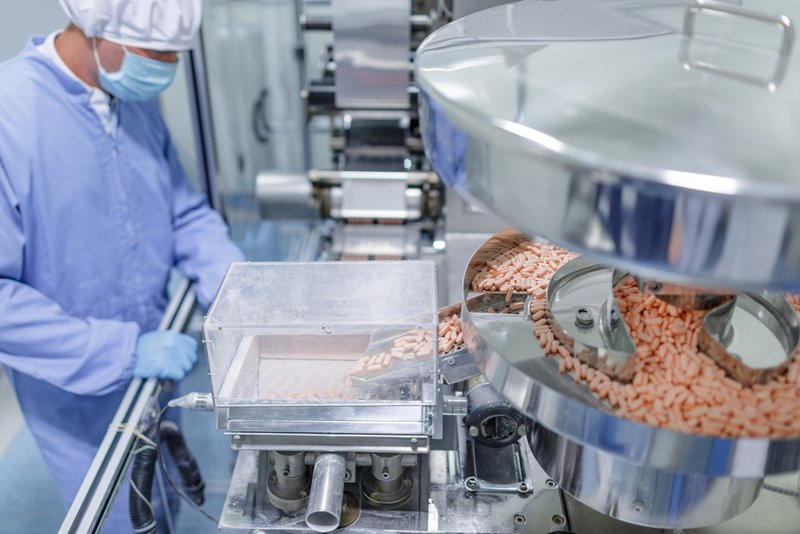
Important areas to review include:
- Raw material verification processes
- In-process quality checkpoints
- Finished goods release standards
- Documentation systems
- Speed of result turnaround
- Communication protocols
Manufacturers with integrated testing systems are often better equipped to deliver reliable outcomes at scale.
Long-Term Value of In-House Testing
Quality investments often create returns beyond the production floor. In-house testing can lower costs associated with rework, rejected batches, delays, complaints, and product inconsistency.
It also supports stronger forecasting because production timelines become more predictable. Reliable operations help brands plan promotions, launches, and inventory with greater confidence.
Over time, these advantages compound. Better quality systems often lead to stronger customer retention and steadier growth.
Reliability Starts With Better Testing Systems
Reliable supplement products do not happen by chance. They are built through disciplined processes, fast decision-making, and consistent quality oversight. In-house testing helps manufacturers deliver that standard while strengthening trust across the supply chain.
At Bactolac Pharmaceuticals, we support brands through integrated manufacturing, internal quality controls, and advanced testing processes designed to protect consistency from raw materials to finished goods. Our approach helps brands move faster while maintaining the standards customers expect.
Contact us today or call 1-833-215-2935 to connect with our team.