

Reliable operations are essential for growth in the nutrition industry. Even strong brands can lose momentum when delays, shortages, or inconsistent materials disrupt supplement manufacturing. What appears to be a production issue is often rooted in supply chain weaknesses that could have been prevented earlier.
Many of these failures are predictable. They typically come from poor planning, limited supplier depth, weak communication, or lack of operational visibility. Brands that understand these risks are better positioned to protect timelines, margins, and customer trust.
Why Supply Chain Stability Matters in Supplement Manufacturing
Every finished product depends on a sequence of coordinated steps. Raw materials must arrive on time, packaging components need to be available, production slots must be scheduled, and finished goods must ship as planned. When one link fails, supplement manufacturing schedules can shift quickly.
These disruptions often create ripple effects. Missed launches, backorders, higher freight costs, and strained customer relationships can follow even a short delay. Strong supply chain systems help reduce these risks before they reach the market.
Operational consistency becomes even more important as brands scale. Larger volumes and more SKUs create more opportunities for disruption if systems are not prepared.
Single-Source Dependency in Supplement Manufacturing
One of the most common risks in supplement manufacturing is overreliance on a single supplier for key ingredients or packaging materials. If that supplier experiences shortages, delays, or quality issues, production may stall immediately.
This issue becomes more severe when products rely on specialized ingredients with limited availability. Brands may be forced into rushed substitutions or missed sales windows.
A stronger approach is supplier diversification. Maintaining multiple qualified sources for critical materials creates flexibility when market conditions change.
Weak Forecasting and Inventory Planning
Forecasting errors can damage both cash flow and fulfillment performance. Ordering too little inventory creates stockouts, while ordering too much can tie up capital or lead to aging materials. In supplement manufacturing, both outcomes create avoidable pressure.
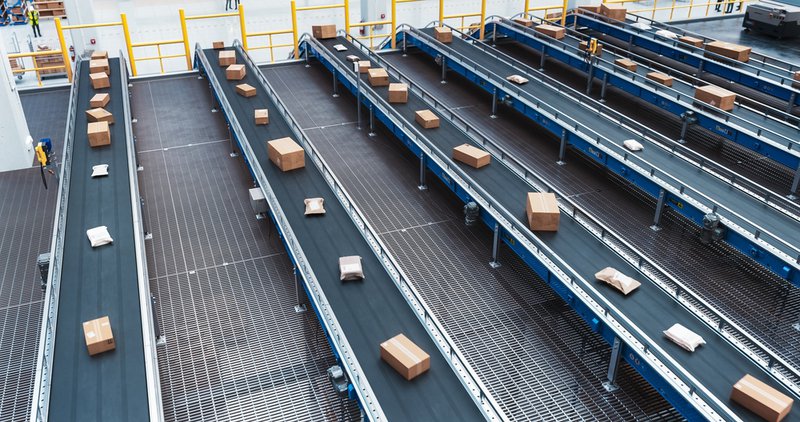
Demand changes can happen quickly due to promotions, seasonal trends, or viral attention. Without updated forecasting inputs, purchasing plans often fall behind reality. Research indicates that companies with advanced demand planning capabilities can improve forecast accuracy by up to 20–30%, significantly reducing stockouts and excess inventory
Better forecasting usually combines historical sales data, current pipeline activity, promotional calendars, and lead time awareness. Frequent review cycles help keep planning aligned with actual demand.
Raw Material Variability and Production Delays
Ingredient quality affects more than product performance. It can also slow supplement manufacturing when incoming materials fail specifications or require additional review.
Materials with inconsistent particle size, moisture levels, potency, or documentation may delay release into production. That can create downtime on scheduled lines and force last-minute rescheduling.
Preventing this problem starts with stronger supplier qualification standards and incoming inspection processes. Reliable materials help keep schedules predictable.
Packaging Shortages in Supplement Manufacturing
Packaging components are often underestimated until they become unavailable. Bottles, caps, scoops, labels, cartons, sachet film, and stick pack materials all play a direct role in supplement manufacturing readiness.
A finished blend cannot ship without the right packaging components. Even when ingredients are available, missing packaging can delay revenue recognition and warehouse flow.
Brands can reduce this risk by forecasting packaging separately, maintaining safety stock on key items, and approving alternates where appropriate. Packaging planning should receive the same attention as ingredient planning.
Poor Communication Between Partners
Many supply chain disruptions become worse because updates are delayed or unclear. A vendor may know about a shortage early, but if that information is not shared quickly, planning options narrow. In supplement manufacturing, timing often determines whether a disruption becomes manageable or costly.
Communication gaps can occur between brands, suppliers, freight providers, and manufacturing teams. Without clear ownership and reporting cadence, important decisions may be delayed.
Structured communication processes help solve this issue. Regular status reviews, escalation paths, and transparent lead time updates improve responsiveness across the network.
Limited Production Flexibility
Some disruptions are unavoidable, but rigid operations make them more damaging. Manufacturers with limited scheduling flexibility may struggle to re-sequence jobs or adapt to material changes. That can slow supplement manufacturing output during busy periods.
Flexible operations often include multiple packaging capabilities, responsive scheduling teams, and the ability to adjust run sizes when needed. These capabilities create options when demand changes unexpectedly.
Brands benefit when manufacturing partners can pivot without sacrificing quality or service levels.
Freight and Logistics Breakdowns
Even when production runs smoothly, transportation issues can interrupt deliveries. Port congestion, carrier delays, customs holds, or poor routing decisions can affect supplement manufacturing timelines and replenishment cycles.
Freight problems are especially costly when inventory levels are already tight. A short shipping delay can turn into an out-of-stock event if there is no buffer inventory.
Mitigation strategies include earlier booking windows, diversified carrier relationships, and realistic transit assumptions. Logistics planning should be integrated with purchasing and production schedules.
How to Build Resilience Into Supplement Manufacturing
The strongest supply chains are designed for disruption, not perfect conditions. Brands can strengthen supplement manufacturing resilience by focusing on a few core practices:
- Qualify multiple suppliers for key inputs
- Review demand forecasts frequently
- Maintain safety stock on critical materials
- Monitor supplier performance trends
- Improve communication cadence across partners
- Choose manufacturers with flexible capabilities
- Align logistics planning with production schedules
These steps do not eliminate risk, but they significantly reduce operational vulnerability.

Choosing the Right Manufacturing Partner
Supply chain strength often depends on who manages the process day to day. A manufacturing partner with experience, sourcing depth, and internal coordination can help prevent many common failures in supplement manufacturing.
Brands should evaluate whether a partner can manage ingredient sourcing, quality verification, packaging readiness, scheduling, and proactive communication. Capabilities across these areas often matter more than headline pricing.
The right partner helps solve problems before they affect customers. That level of support becomes increasingly valuable as product lines grow.
Long-Term Advantage Comes From Reliable Execution
Marketing can create demand, but supply chain execution determines whether brands keep that momentum. Missed shipments and inconsistent availability often push customers toward competitors. Stable supplement manufacturing operations help preserve trust and support repeat sales.
Operational reliability also creates internal advantages. Teams can plan launches more confidently, manage inventory more efficiently, and focus on growth rather than constant problem-solving. Over time, disciplined execution becomes a competitive advantage that is difficult to replicate.
Avoiding Failures Starts With Better Systems
Most supply chain failures are not isolated surprises. They are the result of weak planning, narrow sourcing, poor communication, or inflexible operations. Stronger systems create more reliable supplement manufacturing performance and better customer outcomes.
At Bactolac Pharmaceuticals, we support brands through integrated manufacturing, sourcing experience, in-house quality controls, and turnkey packaging capabilities designed to reduce disruption and improve execution. Our team focuses on helping brands stay ready for growth while navigating real-world supply chain challenges.
Contact us today or call 1-833-215-2935 to connect with our team.